


How to Choose the Right Foam Manufacturer for Custom Products
- What Does a Custom Foam Manufacturer Do?
- STEP 1. Start with Your Product Requirements
- STEP 2. Check Material and Formulation Capabilities
- STEP 3. Review Design and Development Support
- STEP 4. Examine Foaming and Fabrication Capabilities
- STEP 5. Check Quality Control Procedures
- STEP 6. Consider Production Capacity and Delivery
- STEP 7. Look for Relevant Application Experience
- Choose World One as Your Custom Foam Manufacturer
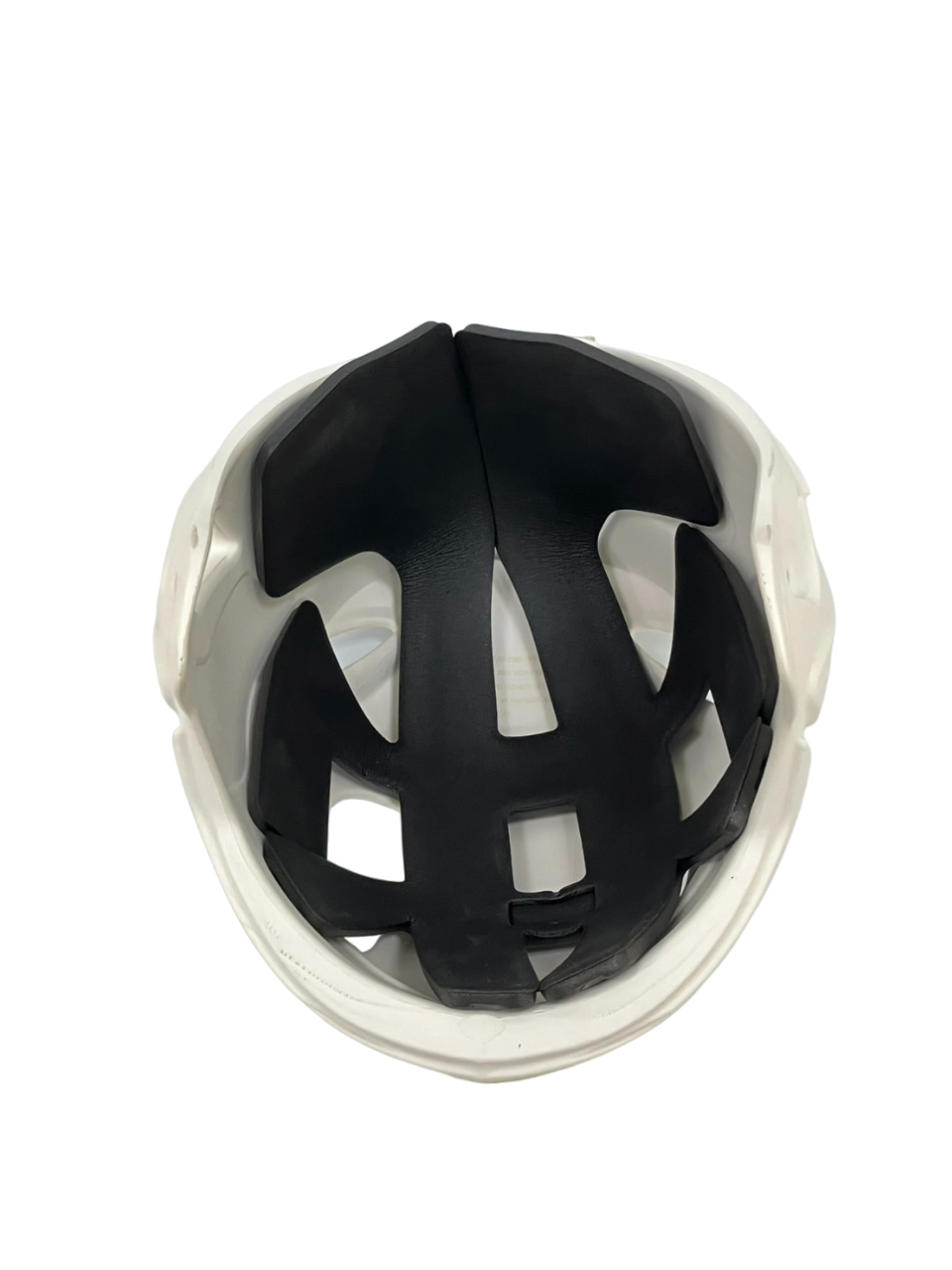
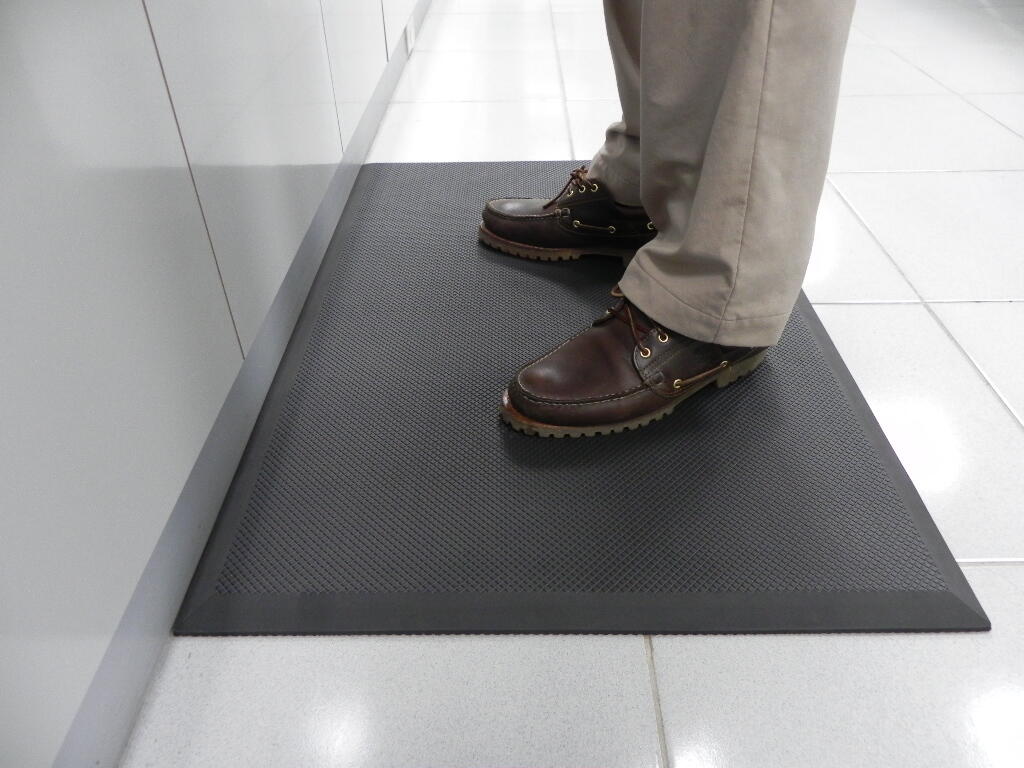

Custom foam is used across a wide range of products, from sports and fitness equipment to industrial and everyday consumer goods. The foam's performance depends on how the material is formulated, processed, and shaped. Choosing a foam manufacturer therefore means finding a partner with the material knowledge and production capabilities to turn your design into a product that meets your requirements.
This guide outlines seven steps to help you evaluate suppliers, clarify project expectations, and reduce the risk of costly revisions before production begins.
What Does a Custom Foam Manufacturer Do?
A custom foam manufacturer turns foam materials into finished products or components based on your design and performance requirements. Depending on the project, this can involve selecting a suitable material, developing a formulation, cutting or molding the foam, and adding finishes or bonding it to other materials.
Manufacturers differ in how much of this work they handle. Some specialize in processing existing foam sheets or blocks, while others also develop formulations and produce the foam themselves. Before evaluating a supplier, clarify which services your project needs and whether the manufacturer can support them.
STEP 1. Start with Your Product Requirements
Before contacting manufacturers, describe what you want to make, what the foam needs to do, and the conditions it will encounter. This information helps suppliers assess suitable materials, processing methods, and production costs.
The more detail you provide, the easier it is for suppliers to understand your needs. You should be clear about what you want the foam to do, but you do not need to have every technical specification finalized. The manufacturer can discuss your intended use and expected performance with you, then help determine suitable materials and specifications.
The table below uses a hypothetical yoga block project to illustrate how to prepare your requirements.
Use the example below as a guide to fill in your own product requirements, then save a screenshot to refer to as you work through the following selection steps. You can also send your completed table to our team to discuss suitable materials and manufacturing options.
| Feature | Example: Custom Yoga Block |
|---|---|
| Product / Application | Yoga block for support and balance during yoga practice |
| Dimensions & Shape | Rectangular block with beveled edges; final dimensions to be confirmed |
| Main Function | Support body weight and provide a stable surface during poses |
| Performance Requirements | Firm enough to resist excessive compression under load; density and hardness to be discussed |
| Operating Environment | Indoor use with exposure to perspiration and routine cleaning |
| Finishing & Assembly | Custom color, textured surface, and printed brand logo |
| Testing & Compliance | Target market and retailer requirements to be confirmed |
| Quantity & Schedule | Sample quantity, initial order quantity, estimated annual demand, and delivery date to be confirmed |
STEP 2. Check Material and Formulation Capabilities
Ask which foam materials the manufacturer works with and how they select suitable grades for your application. A supplier should be able to explain why a particular material fits your needs, rather than simply offer a catalog of options.
Check whether their existing foam grades can meet your requirements. If further customization is needed, ask whether they can adjust the formulation and which properties they can modify. These may include hardness, density, rebound, or resistance to specific environmental conditions.
The supplier should also explain any trade-offs. A change that improves one property may affect another, so ask how they will test proposed materials against your performance targets.
STEP 3. Review Design and Development Support
Ask whether the manufacturer can assess your drawing, sample, or initial concept for manufacturability and recommend design changes where needed. Their feedback should explain which features may be difficult to produce and how proposed changes would affect the product.
For example, thin sections may be vulnerable to tearing, and narrow recesses may be difficult to machine. A useful design review identifies these concerns early and suggests alternatives that preserve the product's intended function.
Next, confirm what development support is available. This may include CAD drafting, 3D modeling, and prototype preparation. Ask which file formats they accept and how the document revisions.
Finally, confirm how samples will be evaluated and approved. Both parties should understand what needs to be checked before committing to production tooling or mass production.
STEP 4. Examine Foaming and Fabrication Capabilities
Material knowledge and design support need to be backed by suitable production capabilities. Check how the supplier produces or sources its foam, then assess how it turns the material into your finished product.
Foaming: Producing the Foam Material
Foaming creates the cellular structure within the material. Depending on the material and process, the foam may be produced as sheets, blocks, or molded forms.
Ask whether the supplier produces foam in-house or purchases it from another manufacturer. If it produces foam, discuss how it controls production conditions and batch consistency. If it purchases foam, ask how it qualifies material suppliers and verifies incoming material.
In either case, the supplier should be able to trace the material used in your order and explain how it manages variations between batches.
Fabrication: Shaping, Finishing, and Assembly
Fabrication turns foam material into finished products or components. In this article, it refers to secondary processing after the foam has been produced.
The methods required depend on your design. Cutting and CNC machining create dimensions, contours, and recesses. Compression molding shapes foam using heat and pressure. Further operations may include grinding, beveling, lamination, printing, or stitching.
Ask which operations your product requires and which are handled in-house. For outsourced work, confirm who controls quality and coordinates the schedule. The important question is whether the complete production process can meet you geometry, tolerances, and order volume.
STEP 5. Check Quality Control Procedures
Ask the manufacturer how it checks incoming materials, monitors production, and inspects finished products. Each stage should have defined acceptance criteria based on your agreed specifications.
For foam products, relevant checks may include density, hardness, thickness, dimensions, and appearance. Laminated or assembled products may also need checks on bond strength or assembly quality. Confirm which tests apply to your product, how they are performed, and how often samples are checked.
Request an example of an inspection report and ask how nonconforming products are handled. This helps you assess whether the supplier records results, investigates problems, and verifies corrections before shipment.
STEP 6. Consider Production Capacity and Delivery
Ask for a schedule that separates development from production. Development may include design confirmation, tooling, sampling, and revisions. Production lead time should state when the clock starts, such as after sample approval and order confirmation.
Confirm minimum order quantities and whether the supplier can accommodate your expected order sizes. Ask how much production volume it could handle if demand unexpectedly exceeds your forecast, and how quickly it could increase output.
Also confirm how the supplier will package your foam products to protect their shape and surfaces during storage and transit. Discuss shipping options and clarify whether the quoted lead time ends when goods leave the factory or when they reach your destination.
STEP 7. Look for Relevant Application Experience
Review the manufacturer's track record and industry-specific experience. A supplier familiar with your application or a similar market will already understand your specific material, structural, and fabrication needs.
For instance, marine products require high UV and moisture resistance, while orthotics demand skin-safe formulas and durable compression support. Partnering with an experienced manufacturer helps you avoid common design pitfalls, shortens the development cycle, and gets your product to market faster.
Choose World One as Your Custom Foam Manufacturer
World One brings together material formulation, foam production, and fabrication to develop custom foam products. We assess your intended use and performance requirements to determine suitable materials, formulations, and production methods. Our development support includes CAD design and 3D modeling to refine product dimensions and structures before production. Throughout manufacturing, we check material properties and finished product quality against the agreed specifications.
Our experience spans sports protective gear, fitness, and leisure products, automotive and motorcycle accessories, footwear products, industrial foam products, and marine supplies.
Whether you have technical drawings, a physical sample, or an initial concept, we can help you work out the specifications and develop your product for production. Contact us to discuss your custom foam project.